Mosaic Animals Backgrounds for Covers: A Designer's Palette
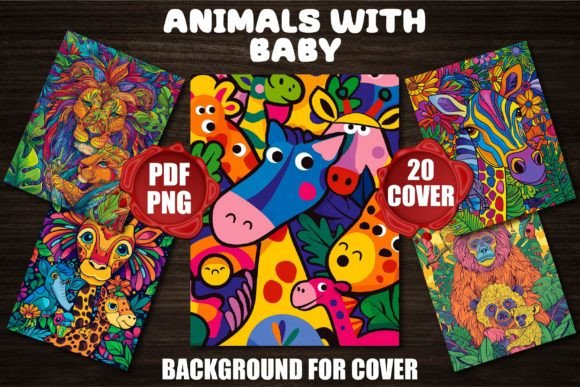
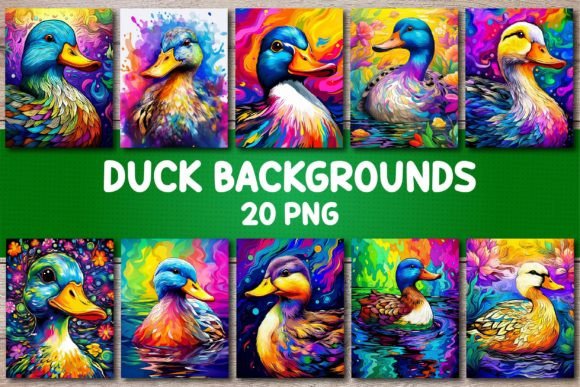
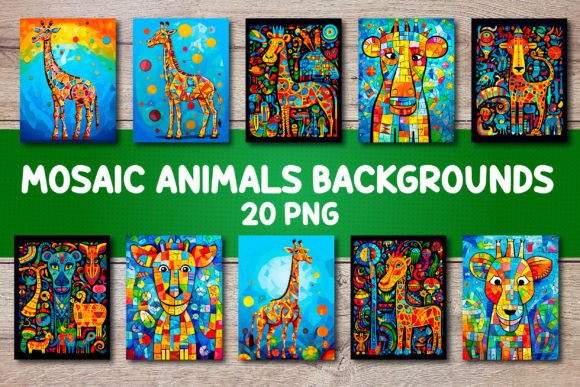
When you open a file labeled "Mosaic Animals Backgrounds for Covers," you’re not just getting a set of images; you are unlocking a specific visual language. These aren't generic stock photos or simple vector outlines. They are complex, textured compositions where the subject—be it a roaring lion, a soaring eagle, or a swimming dolphin—is constructed from hundreds of small, distinct "tiles." This creates a stained-glass effect that feels both organic and structured.
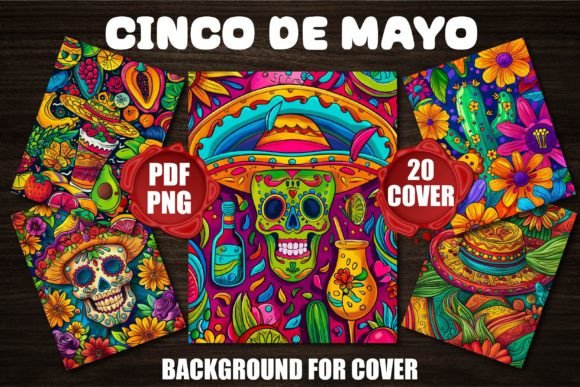
For the creative professional, the appeal lies in the visual density. These backgrounds possess a unique personality that balances nature with geometry. The style is inherently "busy," yet it remains harmonious because the color palettes are carefully curated. You will notice that the images usually feature high contrast and saturated hues, making them pop on digital thumbnails and physical shelves alike. This isn't just a background; it is a statement piece. It signals to the viewer that the content inside is intricate, detailed, and worth a closer look. It transforms a standard book cover into a piece of art therapy before the reader even turns the page.
Strategic Applications: Beyond the Coloring Book
While the immediate use case is evident—creating stunning covers for KDP coloring books—the utility of these assets extends much further. As a designer or entrepreneur, you need to think about the texture and narrative these images provide.
In editorial design, a mosaic background can serve as a powerful header image for a blog post about mindfulness, creativity, or wildlife conservation. The "stained glass" aesthetic breaks the monotony of standard photography, offering a more artistic interpretation of the natural world. For social media graphics, these high-contrast images are thumb-stoppers. They offer a level of detail that encourages users to zoom in, increasing engagement time on platforms like Instagram or Pinterest.
For brand identity work, specifically for eco-friendly brands, wellness apps, or educational children's products, the mosaic style conveys sustainability and thoughtfulness. It suggests that the brand values craftsmanship. You can crop these backgrounds heavily to create unique textures for packaging design or use them as full-bleed images for event invitations. Because the files are provided at 300 DPI, they bridge the gap between digital and print seamlessly. A background that looks crisp on a Kindle screen will look just as sharp on a physical paperback or a poster.
Integrating Mosaics into Your Workflow
Using high-impact backgrounds like these requires a thoughtful approach to visual hierarchy. Because the mosaic pattern is inherently detailed, it demands contrast to remain legible. If you are overlaying text—such as a book title or a logo—you cannot simply place white letters over the image.
Practical application often involves creating a "quiet zone" for typography. This might mean adding a semi-transparent overlay (a dark or light wash) to dull the background slightly, allowing your serif or sans-serif typeface to breathe. Alternatively, you can use a strong drop shadow or a distinct text box to separate the lettering from the intricate tile work.
When evaluating the fit of Mosaic Animals Backgrounds for Covers for your specific project, consider the emotional resonance. A jaguar mosaic suits a project requiring energy and ferocity, while a dolphin or butterfly mosaic aligns with themes of peace and fluidity. Do not treat these as interchangeable; match the animal's symbolic weight to your project's goals. For instance, using a bear mosaic for a corporate leadership book conveys strength, whereas using it for a children's activity book suggests playful adventure.
Technical Execution and File Management
From a technical standpoint, these assets are ready for production. The 300 DPI resolution is the industry standard for print, ensuring that no pixelation occurs during the printing process. However, keep in mind that high-resolution PNGs with transparency (if applicable) or complex backgrounds can be large files.
Organize your library by animal type or color scheme to speed up your design process. When it comes to font pairing, avoid using overly decorative or "busy" fonts like complex script or handwritten fonts. The background is already providing the artistic flair. Instead, lean toward clean, bold sans-serif fonts or sturdy serif fonts. This contrast creates a professional look where the title is instantly readable, and the background serves as the artistic anchor.
Finally, always review the licensing details of these design assets